
Digital Marketing for Hvac Businesses
November 19, 2026 · My Digital Dynamo
Digital Marketing for Hvac Businesses
HVAC digital marketing combines Google Business Profile optimization, smart SEO, paid ads, and instant lead follow-up into one measurable growth engine. MyDigital Dynamo builds these systems for local contractors, connecting search visibility to faster response times and more booked service calls.
Key Takeaways
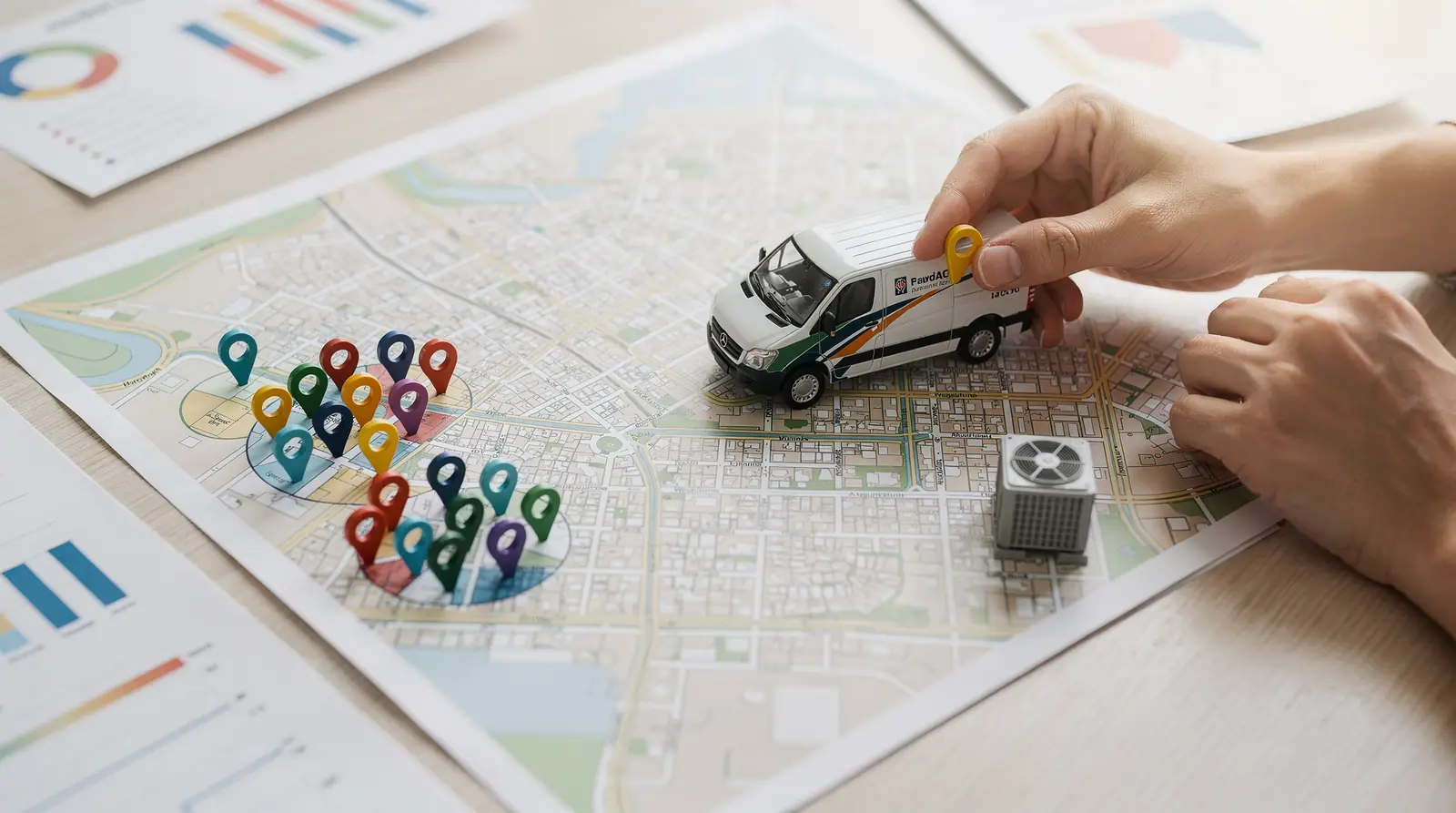
- HVAC digital marketing requires operational readiness before launching any campaigns to prevent wasted ad spend.
- Three common gaps (no lead capture, inconsistent follow-up, and fragmented tools) derail campaigns before they start.
- A high-converting home service website functions as a virtual sales representative, not a static brochure.
- Speed-to-lead determines whether marketing investment produces revenue or waste for emergency repair calls.
What do you need before starting HVAC digital marketing?
HVAC companies need operational readiness before launching any digital marketing for HVAC businesses. A specialized agency lifts the burden of seasonal demand spikes and after-hours emergency calls. Without this foundation, marketing dollars fund chaos instead of growth.
What operational gaps block HVAC marketing success?
Three gaps derail campaigns before they start. First, no system captures leads when technicians are on job sites. Second, inconsistent follow-up leaves emergency callers waiting. Third, fragmented tools prevent measuring what works. Each gap costs booked jobs that competitors capture.
How does readiness affect lead conversion?
The phone rings when a company is easy to find and easy to trust at the exact moment a customer’s AC quits or their heat goes out. MyDigital Dynamo connects local search, instant follow-up, direct mail, and AI operations into one measurable growth engine. Contractors who align these elements before spending on ads convert more calls into scheduled service.
Preparation checklist:
- Audit current lead response time and document every step from call to booking
- Verify Google Business Profile accuracy across all locations and service areas
- Establish a review generation process that produces fresh testimonials weekly
- Define target service radius and priority zip codes for local SEO for HVAC contractors
Home service web design and electrician digital marketing services perform best when the business already answers calls within five minutes. Speed-to-lead determines whether marketing investment produces revenue or waste.
How do you build local SEO for HVAC contractors
How do you build local SEO for HVAC contractors?
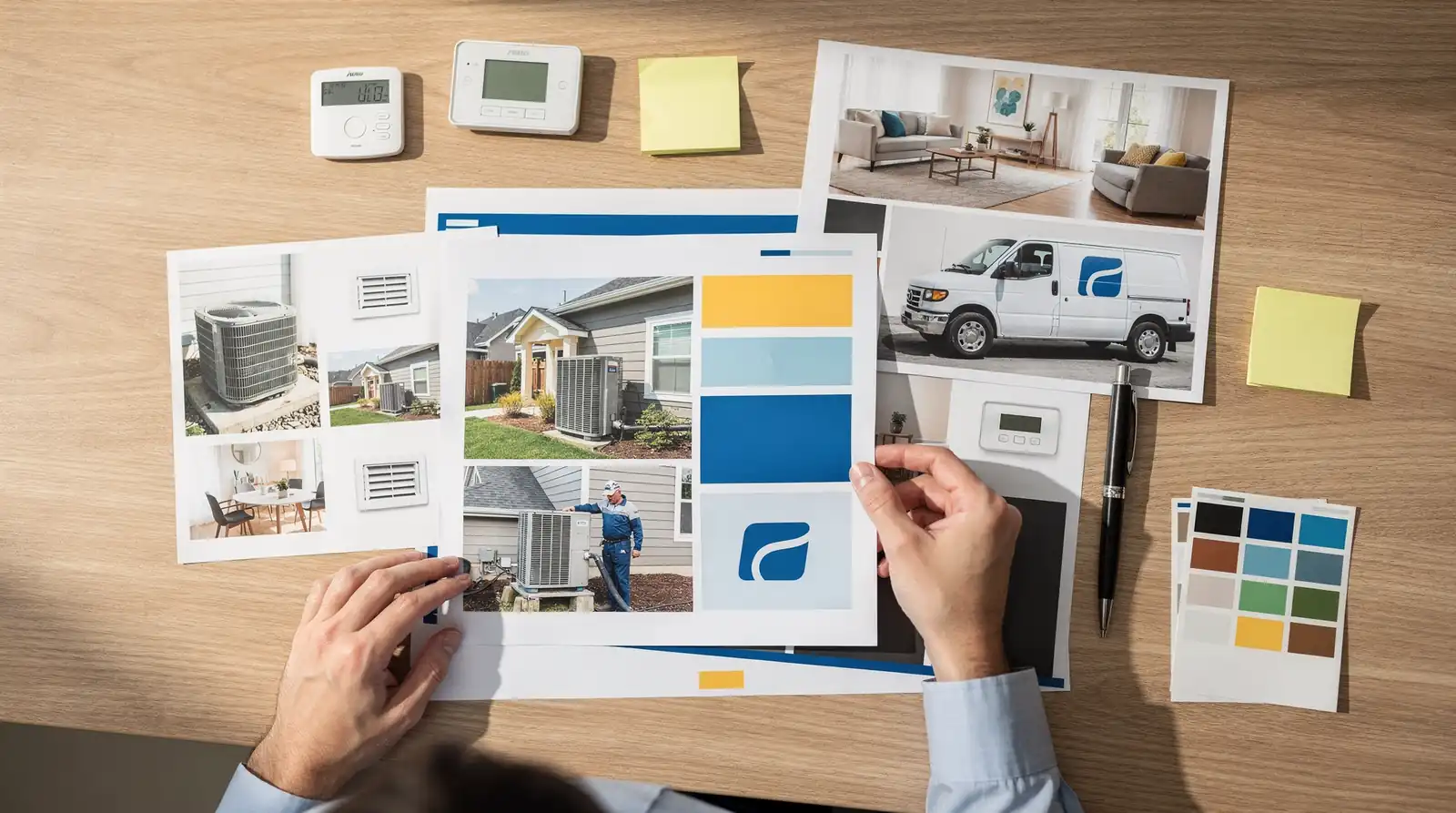
Building local SEO for HVAC contractors requires a systematic approach across four connected levers. Local search visibility, Google Business Profile optimization, review generation, and AI visibility work together to put a contracting business on the map when homeowners need service. Without this integrated strategy, companies lose calls to competitors who appear first in the Map Pack.
What are the four levers of HVAC local search success?
A strong HVAC marketing foundation rests on four coordinated elements. Local search optimization ensures the website ranks for service-area queries. The Google Business Profile controls Map Pack presence. Customer reviews build trust signals. AI visibility captures traffic from voice assistants and AI-powered search tools. Neglecting any single lever weakens the entire system.
How do you track local SEO progress for an HVAC company?
MyDigital Dynamo offers a 90-Day Local Visibility Guarantee with measurable Google Map Pack gains tracked through GeoGrid scans. The company provides a free Local SEO and GeoGrid Audit that reveals exact rankings across a service area, identifies which competitors outrank the business, and pinpoints the fixes that matter most. If agreed milestones go unmet, the company continues working at no extra cost.
The pattern holds across home service contractors MyDigital Dynamo has worked with in Greater Pittsburgh. One residential exterior contractor reached 87% #1-2 Map Pack pins and 24/7 response coverage, with zero missed estimate calls once instant text-back and a round-the-clock intake assistant were layered onto Google Map Pack optimization. HVAC companies see the same mechanics at work: GeoGrid scans show exactly where ranking gaps exist by zip code, and closing them is what turns a visible listing into a booked service call.
Contractors ready to strengthen their local presence can explore the full range of growth services available, including reputation management and lead generation systems designed for competitive markets.
How do you convert leads with home service web design?
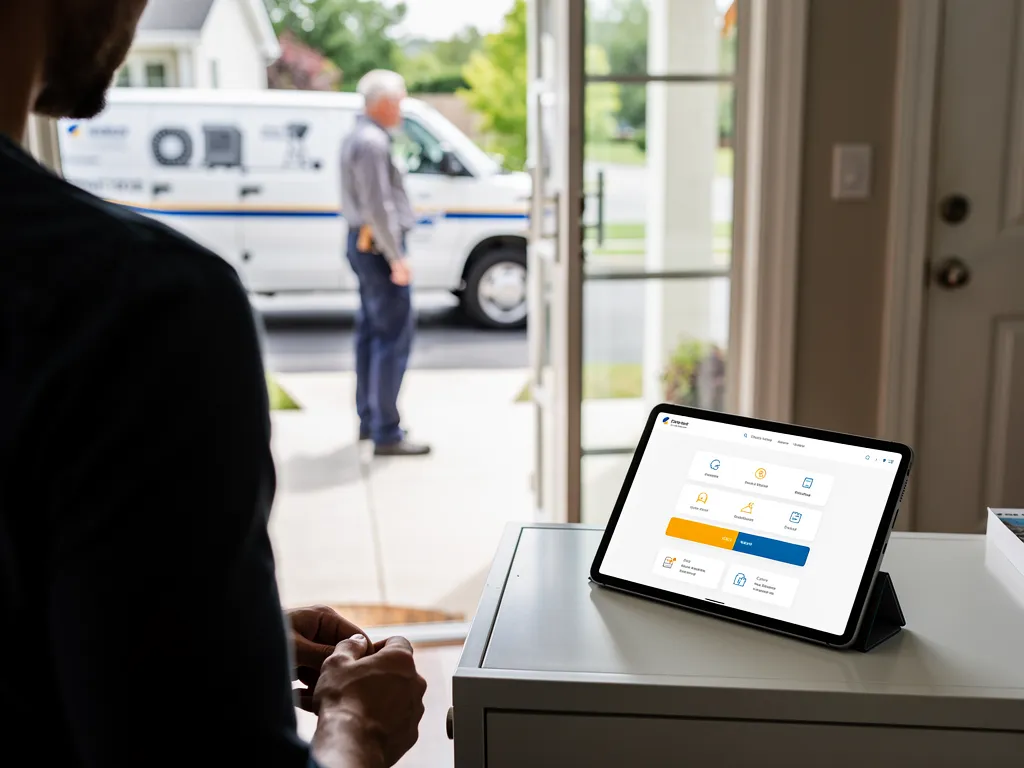
A high-converting home service web design functions as a virtual sales representative, not a static brochure. Don’t think of your website as a brochure; think of it as a virtual sales rep capable of generating massive amounts of leads and sales for your HVAC company, often at a fraction of the cost of traditional marketing and advertising. Every design element must guide visitors toward a single action: booking service.
What makes a home service website convert visitors into booked jobs?
Three structural elements drive conversion. First, prominent click-to-call buttons appear on every page, eliminating friction for mobile users with broken equipment. Second, service pages answer specific emergency questions like "AC not cooling" or "furnace won't start" with immediate booking options. Third, trust signals including licenses, certifications, and recent reviews sit above the fold.
How does AI automation capture leads after hours?
The company offers a free trial before any commitment. This intelligent assistant prevents revenue loss when emergency calls arrive at midnight or during peak summer demand. As a Google Verified Specialist for GBP and Ads verification, MyDigital Dynamo integrates chatbot capture with verified local listings. Contractors reviewing client stories see measurable booking increases from after-hours automation.
Digital marketing for HVAC businesses succeeds when websites eliminate manual follow-up delays. Speed-to-lead determines who wins the emergency repair call. A website that answers instantly converts browsers into scheduled appointments without human intervention.
FAQ
What operational gaps commonly block HVAC marketing success?
Three gaps derail campaigns before they start: no system to capture leads when technicians are on job sites, inconsistent follow-up that leaves emergency callers waiting, and fragmented tools that prevent measuring what's working.
How does operational readiness affect lead conversion?
Contractors who align lead response time, Google Business Profile accuracy, and review generation before spending on ads convert more calls into scheduled service. Readiness turns ad spend into booked jobs instead of wasted clicks.
How fast should an HVAC business respond to a new lead?
Speed-to-lead determines whether marketing investment produces revenue or waste. A home service website or ad campaign performs best when the business already answers calls, or follows up, within five minutes of a lead coming in.
What does MyDigital Dynamo's 90-Day Local Visibility Guarantee cover?
The guarantee tracks measurable Google Map Pack gains through GeoGrid scans over 90 days. It starts with a free Local SEO and GeoGrid Audit that reveals exact rankings across a service area and the fixes that matter most; if agreed milestones go unmet, MyDigital Dynamo continues working at no extra cost.
How does AI automation capture leads after hours?
An AI assistant answers and qualifies emergency calls that arrive at midnight or during peak demand, preventing revenue loss when no one is available to pick up the phone. Combined with verified local listings, it keeps leads from slipping to a competitor who answers first.
Conclusion
Digital marketing for HVAC businesses delivers booked jobs only when operational readiness, local search visibility, and instant lead response align before a single ad runs. Contractors who audit their current systems, verify their Google Business Profile, and establish a review generation process convert more emergency calls into scheduled service. The next step is straightforward: assess your current lead response time and close the gaps that cost you revenue.